Empowering Communities Through Education, Arts and Cultural Knowledge
The Afrodeities Foundation CIO advances education, arts, culture and heritage across African and diasporic communities worldwide. Through research, publications and public programmes, it supports cultural understanding, knowledge preservation and public engagement. Its work focuses on making historically underrepresented knowledge systems accessible and visible for public benefit.
5/8/20241 min read
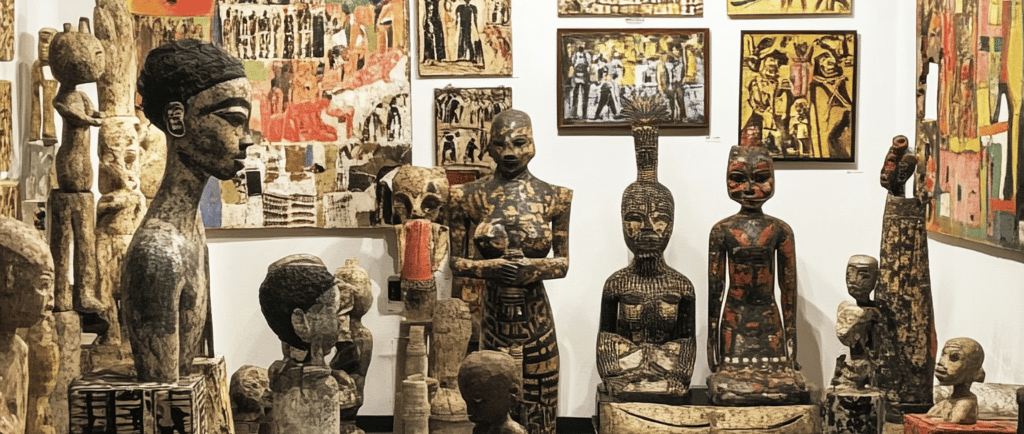
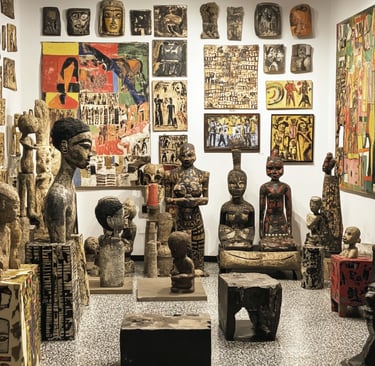
The Afrodeities Foundation CIO advances education, arts, culture and heritage through the preservation, study and dissemination of African and diasporic knowledge systems. Across many regions, these histories and traditions remain fragmented, underrepresented or insufficiently accessible within formal education and public discourse. The Foundation addresses this gap by developing structured programmes that bring this knowledge into clearer public view.
Its work focuses on documenting and presenting cultural traditions, oral histories, mythological systems and intellectual frameworks that have shaped communities across Africa and the global diaspora. These are treated not as isolated cultural artefacts, but as coherent systems of knowledge that inform identity, memory and social continuity.
Through research, publications and public programmes, the Foundation creates opportunities for individuals and communities to engage with this material in meaningful ways. Activities include lectures, workshops, exhibitions, performances and digital platforms that make complex bodies of knowledge accessible to a wide audience. Where appropriate, activities are designed to be free or offered at a level that does not restrict access.
The Foundation also supports cultural exchange between communities in different regions, recognising the interconnected nature of diasporic histories. By facilitating dialogue and collaboration, it strengthens understanding across geographies and contributes to a more complete and balanced representation of global cultural knowledge.
All activities are carried out for the public benefit, with a focus on education, cultural understanding and the long-term preservation of knowledge systems of significant historical and cultural value.